Introduction
Today in Azerbaijan there is the institution of icra hakimiyyet, which is considered an outdated and ineffective governing institution. The existing model of territorial administration does not correspond to modern principles of decentralization and restrains the development of regions.
Can strengthening municipalities and reducing the role of executive authorities improve governance quality in Azerbaijan?
The Institution of Icra Hakimiyyet
Icra hakimiyyet is a governing institution that is appointed by the president. They mainly play the role of municipalities. They build roads, schools, parks, there is control over prices in shops and most of the functions of municipalities.
They are appointed by the president as representatives. The executive authority has a lot of power and interferes in the sphere of work of municipalities.
Limited Participation of Citizens
With the institution of icra hakimiyyet, the people cannot participate enough in the life of their city or province. In the 21st century, people must participate in public life or democratic ideals and values based on joint decisions of the people on certain issues will not develop.
It is necessary that the people themselves choose who will manage the municipality and with such an institution the whole meaning of this is lost.
Everything is mainly in the hands of the executive authority, and the municipality only has the function to sell land and clean roads.
The budget of the municipality or the same icra hakimiyyet should be in open access on the official website, which should be periodically updated. The population should know where their taxes go, so that later, by participating in the life of the city or province, they can properly distribute them.
The Role of Municipalities
The center of local governance, as mentioned above, should be municipalities. In the modern world elections take place, people actively participate in the life of the municipality and can at any time see where the money from the municipal budget is spent.
This institution should be as independent as possible from the executive authority. They should have their own police to control order, for example to prevent local shops from making manipulations with receipts and thus avoiding taxes.
In this way the quality of life in the municipality improves, schools are built better and old ones are repaired, green zones are built, public transport is encouraged, active commerce on the streets and green energy.
Examples from Europe
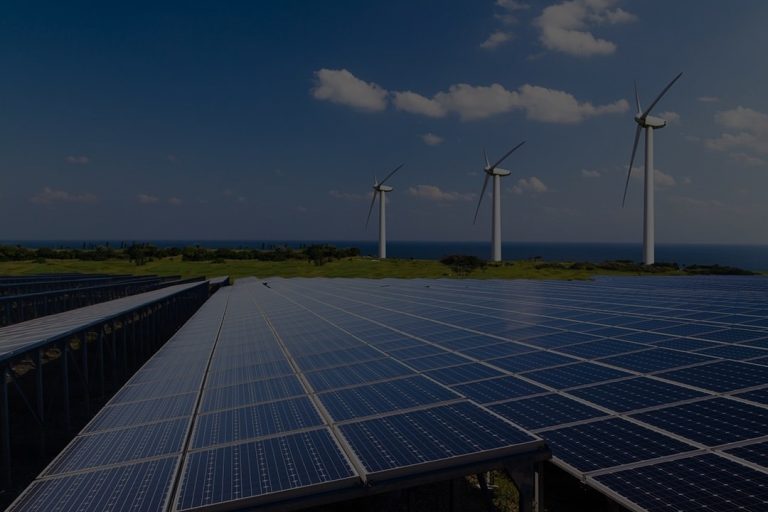
In Europe, for example, municipalities install solar panels on their facilities, thereby reducing dependence on the central government and encouraging such construction on apartment buildings, bus stops and parking lots.
Parking lots are built underground so as not to take up much space. They are built where commercial facilities such as shops, restaurants and cafes are located. Wider roads are built where green public transport is also encouraged.
Near or between two apartment buildings a park is built and it is done so that all conveniences are nearby. These conveniences are bus stops closer, bicycle roads, schools, kindergartens and so on.
Relevance for the South Caucasus and Azerbaijan
This model is suitable for the South Caucasus, and of course for Azerbaijan, in order to turn our cities and provinces into prosperous places where people will participate in public life and thus directly influence how he or she will live.
The accountability of municipalities to the people will create trust between the government and the people. Laws will be more respected by smaller shops and businesses. There will be better transport and social infrastructure.
Policy Recommendation
It is desirable to completely remove icra hakimiyyet, because together these two institutions will not bring any benefit to the people, but on the contrary there will be stagnation in work.
It is necessary to create conditions for municipalities so that they can also earn themselves and depend less on the central government.
Conclusion
Without empowered municipalities, sustainable regional development in Azerbaijan will remain structurally limited.