Written by the Bhumyamca Armizan Hadi, Chief of the Department of Common Analysis of the Eastern Partnership
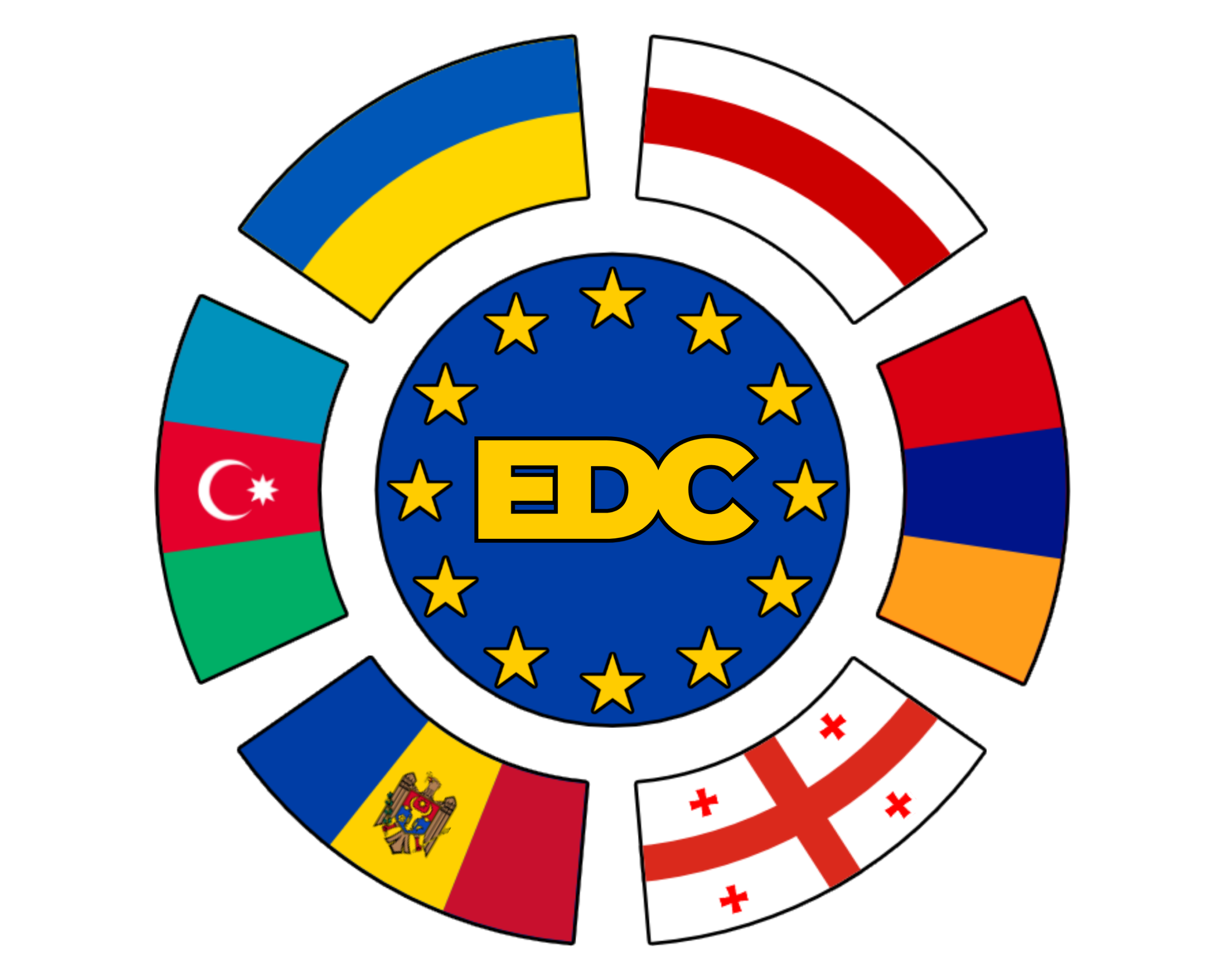
The geopolitical architecture of the European Union’s Eastern Partnership (EaP) has experienced a fundamental disruption, shifting from a framework of technocratic association to an arena of direct geopolitical competition.1 Established in May 2009 to govern relations with Armenia, Azerbaijan, Belarus, Georgia, Moldova, and Ukraine, the EaP was designed under the auspices of the European Neighbourhood Policy (ENP), the Global Strategy, and the New Strategic Agenda.3 The primary objective of this original policy was to establish a secure and stable periphery through legal approximation, economic integration via Deep and Comprehensive Free Trade Areas (DCFTAs), and structured reform programs like the “20 Deliverables for 2020”.1 However, this framework deliberately avoided offering a concrete pathway to EU membership, utilizing strategic ambiguity to foster integration without committing to formal accession.1
This technocratic focus proved structurally incapable of addressing the regional security deficits.1 The EU’s reliance on soft-power regulatory approximation left its eastern neighbors exposed to hard-power interventions by regional realist actors.1 While the transition from Soviet-era GOST standards to modern European technical product regulations successfully reoriented trade flows toward Western markets, it did not resolve deep-seated territorial disputes or deter external aggression.1 Russia’s military campaigns in Ukraine, beginning with the annexation of Crimea and culminating in the full-scale invasion, exposed the limits of strategic ambiguity, making a return to the geopolitical status quo ante impossible.4 This security crisis has accelerated a long-term civilizational shift across the region.5 Demographically, the Eastern Partnership states have suffered sustained population declines, driven by high migration rates directed toward Western democracies rather than the Russian Federation.5 This structural shift reflects a broader social desire to exit the Russian sphere of influence permanently.4In response, Ukraine, Moldova, and Georgia formalised their sovereign choices by submitting rapid applications for EU membership, forcing Brussels to convert its enlargement policy from a slow, administrative exercise into a primary instrument of geopolitical deterrence.4
This rapid re-activation of the enlargement agenda has run directly into the EU’s internal institutional challenges.2 Between 2013 and 2022, EU enlargement suffered from severe “enlargement fatigue,” characterized by a lack of active drive and a reluctance among member states to absorb new members.2 The prospect of adding new member states alters the EU’s demographic, geographic, and economic balance, directly affecting internal decision-making procedures and the distribution of resources like agricultural and structural funds.2 Consequently, key member states—led by close cooperation between Germany and Poland—have advocated for a structured “Partnership for Enlargement”.4 This proposedframework aims to balance the geopolitical urgency of stabilizing the eastern flank with the technical necessity of rigorous, merit-based state-building.4
The Frontline States: Ukraine and Moldova’s Accelerated Integration Path
Ukraine: Accession Negotiations and Reform Under High-Intensity Conflict
Despite the pressures of a high-intensity war, Ukraine has maintained a rapid pace of alignment with the EU acquis.6 The legislative screening process was completed in record time, and by early 2026, Kyiv had adopted detailed roadmaps covering the rule of law, public administration reform, and the protection of national minorities.6 This technical readiness was formally recognized during the ninth meeting of the Ukraine-EU Association Committee in Brussels on March 16, 2026, co-chaired by Oleksandr Ilkov of the Ukrainian Government Office and Anna Jarosz-Friis representing the European Commission.7 On March 17, 2026, the EU provided technical guidance to Ukraine to sustain its reform momentum across all six negotiating clusters while political conditions—specifically the lifting of bilateral vetoes within the European Council—are finalized.8
To support Ukraine’s state functions and post-war reconstruction, the EU has mobilized nearly €200 billion in military, financial, and humanitarian assistance since 2022.7 This includes the implementation of the Ukraine Support Loan instrument for 2026–2027, providing up to €90 billion to ensure macroeconomic stability.7 Nonetheless, Deputy Prime Minister Taras Kachka has acknowledged that while some member states view Kyiv’s target of closing negotiating chapters in 2026 and signing an Accession Treaty by 2027 as overly ambitious, Ukraine remains committed to preventing the negotiation process from becoming an open-ended delay.8
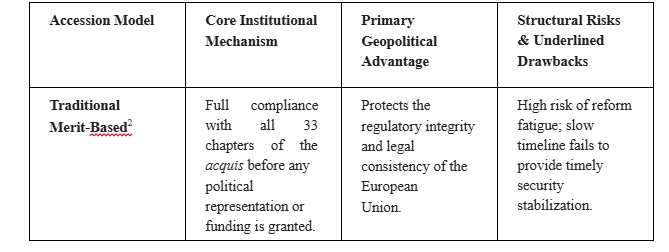
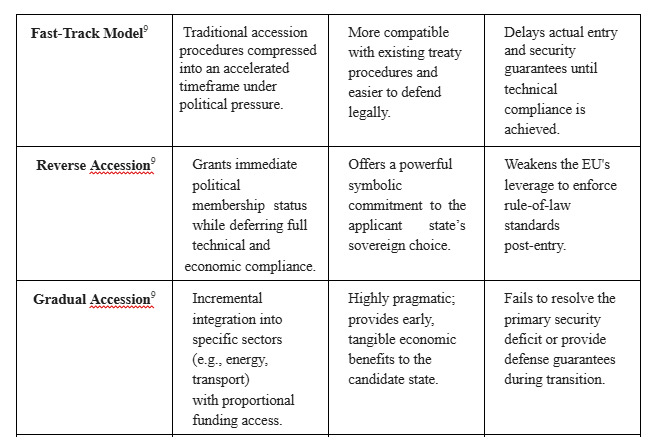
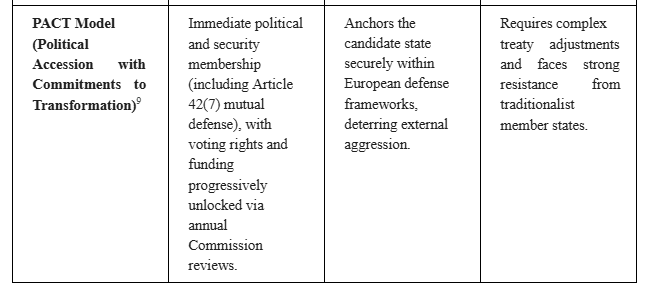
This tension has prompted intense debates within European think tanks and diplomatic circles regarding alternative, “creative” accession models designed to reconcile immediate geopolitical security needs with the strict technical standards of the Single Market.9
Moldova: Consolidating Democratic Resilience Against Hybrid Warfare
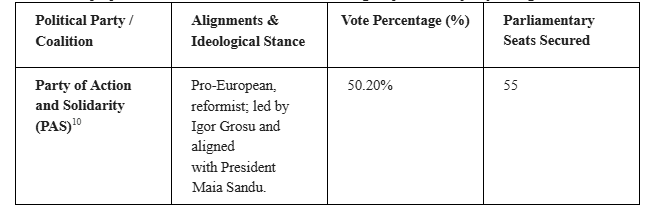
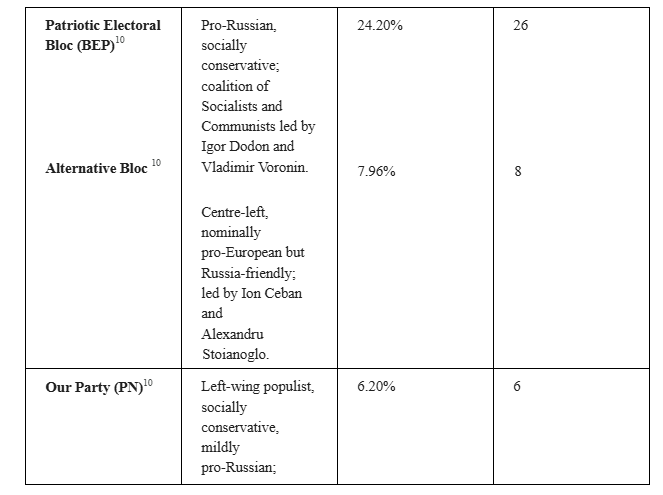
Moldova’s path toward European integration represents a critical battleground for democratic resilience against hybrid warfare.10 Following a narrow constitutional referendum and Maia Sandu’s presidential re-election in late 2024, the parliamentary elections of September 28, 2025, served as a decisive test of the country’s sovereign direction.10 The pro-European Party of Action and Solidarity (PAS) secured a single-party majority, winning 50.2% of the vote and 55 out of 101 seats in the Moldovan Parliament.10 This majority enabled the appointment of Prime Minister Alexandru Munteanu on October 31, 2025, while Igor Grosu was re-elected as Speaker of the Parliament, ensuring strong executive-legislative coordination to advance reforms.14
The electoral cycle took place under intense, coordinated destabilization campaigns orchestrated by the Kremlin.10 These operations involved illegal political financing, cyberattacks against the Central Electoral
Commission, and disinformation campaigns designed to exploit public anxieties over energy shortages, inflation, and the war in neighboring Ukraine.10 To counter this interference, Moldovan authorities enacted targeted party bans, arrests, and financial fines.10 A notable intervention was the pre-election ban of the “Heart of Moldova” party (PRIM), led by former Gagauzia governor Irina Vlah, which was disqualified from the pro-Russian Patriotic Electoral Bloc (BEP) due to systematic illegal financing.14 The deep polarization of the country remains visible in the geographical split between domestic and diaspora voters.10 While PAS secured a commanding 78.62% of the vote among the diaspora, it won only 44.13% of the domestic vote, highlighting a persistent domestic divide that the Munteanu government must address through economic stabilization.10 On the technical front, Moldova completed the European Commission’s screening process on September 22, 2025, identifying key alignment needs across 35 chapters.10 While the European Commission indicates that accession talks could conclude by the end of 2027, Moldova’s progress remains vulnerable to member state vetoes in the Council, prompting institutional proposals to shift intermediate decision-making to qualified majority voting.10
The South Caucasus Tectonic Shift: Armenia’s Turn Westward and Georgia’s Authoritarian Retreat Armenia: The Collapse of Russian Guarantees and the Radical Pivot to Europe
The South Caucasus is undergoing a major geopolitical reconfiguration driven by the collapse of Russia’s security framework.15 Following the inaction of Russian peacekeepers and the Collective Security Treaty Organization (CSTO) during the conflict with Azerbaijan, Armenia’s leadership has executed a rapid re-orientation toward Europe and the West.16 This pivot was formalized in March 2025 when the Armenian Parliament passed the “Law on Launching Armenia’s EU Accession Process,” declaring European integration as its primary strategic objective.16
This diplomatic re-alignment was highlighted on May 4, 2026, when Yerevan hosted the European Political Community (EPC) summit, bringing together 44 European leaders—including French President Emmanuel Macron, Ukrainian President Volodymyr Zelenskyy, British Prime Minister Keir Starmer, and Canadian Prime Minister Mark Carney.16 On May 5, 2026, the first-ever EU-Armenia Summit took place, where European Commission President Ursula von der Leyen, European Council President António Costa, and Armenian Prime Minister Nikol Pashinyan signed the EU-Armenia Connectivity Partnership.16 This partnership coordinates the EU’s Cross-Regional Connectivity Agenda with Armenia’s “Crossroad of Peace” initiative, targeting investments in transport, energy, and digital infrastructure to diversify Armenia’s trade routes.16
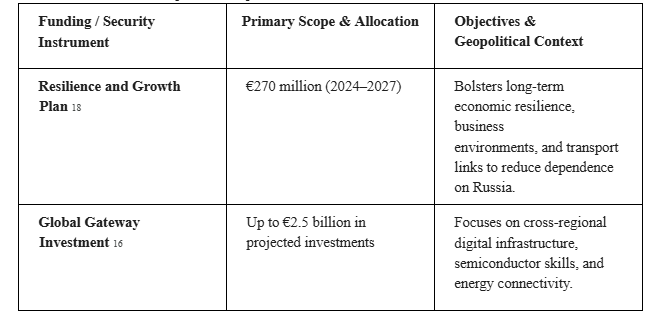
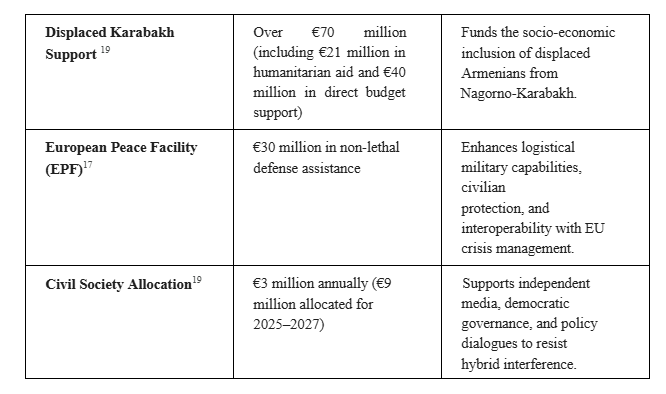
To support this transition, the EU has deployed a range of financial and security instruments.19 Under the Comprehensive and Enhanced Partnership Agreement (CEPA) and the December 2025 Strategic Agenda, the EU unblocked a €270 million Resilience and Growth Plan.18It also established the civilian EU Partnership Mission in Armenia (EUPM) in April 2026 to counter foreign interference and disinformation, operating alongside the existing border observation mission (EUMA).17 Furthermore, the Armenian Armed Forces received their first deliveries of non-lethal assistance under the European Peace Facility (EPF), valued at €30 million.17
This Western alignment has received support from the United States, which helped broker the TRIPP peace agreement between Armenia and Azerbaijan.16 While Yerevan faces economic and political risks from the Russian Federation, the opening of the EU market to Armenian aquaculture finfish products in March 2025 demonstrates practical steps toward economic diversification.19
Georgia: Democratic Backsliding and Institutional Estrangement
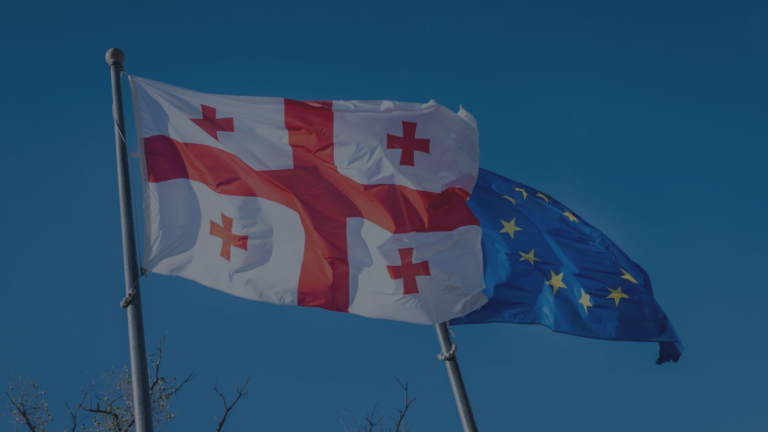
While Armenia has accelerated its integration, Georgia has experienced a severe democratic regression, causing a deep rift in its relations with the EU.21 Despite receiving candidate status in December 2023 on the understanding that it would implement nine reform steps, the ruling Georgian Dream (GD) party, controlled by Russian-aligned oligarch Bidzina Ivanishvili, has pursued policies that diverge from European standards.21
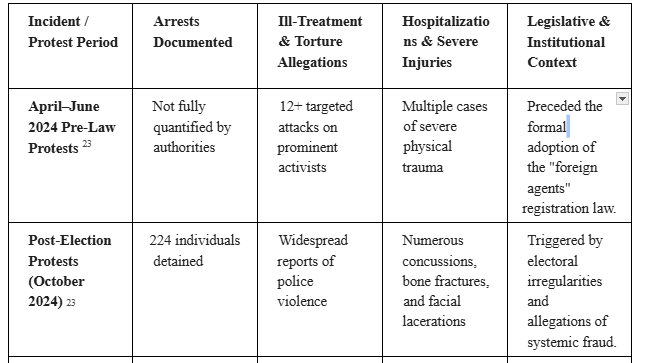
The introduction of the “foreign agents” law in May 2024—requiring NGOs and media organizations receiving more than 20% of their funding from abroad to register as “agents of foreign influence”—stalled the accession process and drew strong warnings from the European Commission.21 By August 2025, the enforcement of this law led to asset freezes and fines against seven prominent NGOs, creating a highly restrictive environment for civil society.23
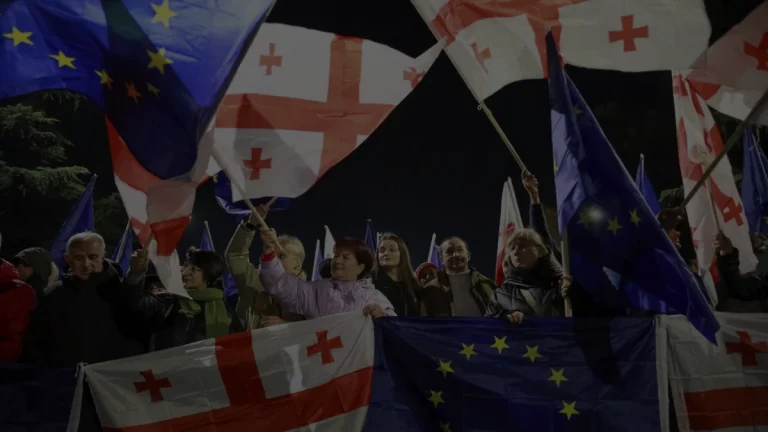
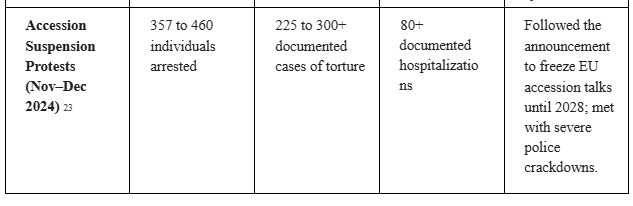
This regression was compounded by anti-LGBT legislative amendments in September 2024 and widespread irregularities during the October 2024 parliamentary elections.21 The political crisis deepened on November 28, 2024, when Prime Minister Irakli Kobakhidze announced that Georgia would suspend accession negotiations and refuse EU financial assistance until 2028.21 This decision triggered country-wide protests, which were met with force by security services, resulting in hundreds of injuries, arbitrary detentions, and reports of ill-treatment and torture.23
To protect its authority, the GD government passed laws restricting assembly, increased penalties for insulting police officers to up to 60 days of imprisonment, simplified the dismissal of public servants participating in protests, and enacted an “offshore law” to protect Ivanishvili’s assets from Western financial sanctions.22
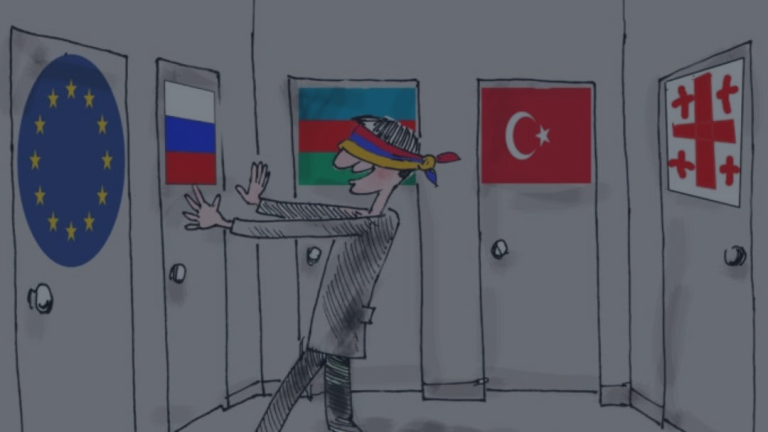
Tbilisi has responded to its growing Western isolation by seeking new economic and political partners in Asia and the Middle East, while maintaining an informal accommodation with Moscow to manage security risks.15 Within the country, the opposition has sought to coordinate under the “Georgian Charter,” a reform roadmap supported by outgoing President Salome Zourabichvili.22
The EU’s response has included halting the accession process, freezing €30 million in defense funding, and suspending €121 million in bilateral support.15 While comprehensive EU-wide targeted sanctions have been blocked by Hungary and Slovakia, the Baltic states (Estonia, Latvia, and Lithuania) have enacted unilateral travel bans against Ivanishvili, Prime Minister Kobakhidze, Tbilisi Mayor Kakha Kaladze, and members of the judiciary.22
Nevertheless, regional analysts recommend that the EU maintain a balanced approach, separating the enlargement dispute from regional stabilization tools like the EU Monitoring Mission (EUMM), while recognizing that the fear of conflict is a genuine driver of Tbilisi’s strategic calculations.15
Strategic Ambivalences and Deep Estrangement: Azerbaijan and Belarus
Azerbaijan: Transactional Alignment and Energy Security
Azerbaijan has consistently maintained a transactional, non-aligned approach to its relationship with the European Union. Unlike its neighbors in the South Caucasus, Baku does not seek political integration, visa liberalization, or alignment with the EU’s normative standards, prioritizing instead a partnership focused on energy and economic cooperation.
This relationship was reinforced on June 13, 2025, during the EU-Azerbaijan Energy Dialogue in Brussels, where Commissioner for Energy and Housing Dan Jørgensen and Azerbaijani Minister of Energy Parviz Shabazov met to coordinate gas export agreements and cleaner energy initiatives.25 By positioning itself as a key energy provider for the European market, Azerbaijan has successfully limited Western influence over its domestic governance and regional security policy. In 2025, Azerbaijan exported 25.2 billion cubic meters of gas via pipelines, of which 12.5 billion cubic meters (representing a
53.8% increase since 2021) were delivered directly to EU countries.
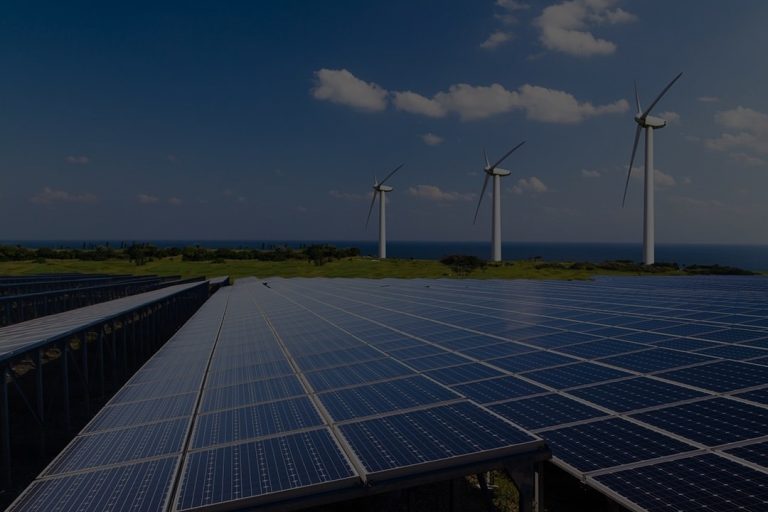
To expand this footprint, SOCAR signed a ten-year contract with German energy holding Sefe in June 2025 and began direct pipeline deliveries to Germany and Austria through the Trans Adriatic Pipeline (TAP) in January 2026. Following COP29 in Baku, cooperation on the green transition has accelerated, with Azerbaijan aiming to raise the share of renewable energy in its domestic energy mix to 38% by 2030 to free up more natural gas for European exports. During the March 11, 2026, visit of European Council President António Costa to Baku, President Aliyev reaffirmed the EU as Azerbaijan’s number one trading partner but emphasized that massive European infrastructure investments and long-term demand guarantees are necessary to expand current export capacities.
Belarus: Comprehensive Isolation and Parallel Sanctions
Relations between the EU and Belarus remain deeply estranged, with Brussels focusing on economic containment and the isolation of the Lukashenko regime.5 Following the regime’s suppression of domestic democratic forces led by Sviatlana Tsikhanouskaya and its support for Russian military operations, the EU has steadily expanded its sanctions regime.5
On July 19, 2025, the EU published its 18th sanctions package against Russia, which introduced matching measures against Belarus to restrict trade.26 This containment was further strengthened in early 2026 with the adoption of the 20th sanctions package, which was designed to close remaining customs loopholes and prevent the transit of restricted goods through Belarus to Russia.27
Comprehensive Conclusions and Policy Recommendations The transformation of the Eastern Partnership into a strategic enlargement framework has changed the EU’s approach to its eastern neighborhood, replacing technocratic integration with a focus on geopolitical security and institutional reform.4 To navigate this complex environment, the European Union should consider the following strategic policies:
● Implement Flexible, Staged Integration Frameworks: To address the long timelines of traditional accession and prevent reform fatigue, the EU should adopt structured, gradual integration frameworks.9 Under models like the PACT framework, candidate states could receive immediate political and security guarantees under Article 42(7) of the EU Treaty, while access to the Single Market and structural funds would be unlocked in stages based on verified progress in judicial and anti-corruption reforms.9
● Transition to Qualified Majority Voting for Intermediate Accession Decisions: To prevent individual member states from blocking progress for bilateral reasons, the European Council should transition from unanimity to Qualified Majority Voting (QMV) for intermediate steps, such as completing technical screening chapters and opening negotiating clusters.10 Unanimity would remain a requirement for the final ratification of Accession Treaties.8
● Redirect Financial Assistance in Authoritarian-Leaning States: In countries where the government has suspended integration, such as Georgia, the EU should avoid complete isolation.15 While suspending direct budget support to state institutions, the EU should redirect these funds to support civil society, independent media, and local human rights organizations to sustain democratic resilience.22
● Provide Economic and Security Support for Geopolitical Transitions: To secure Armenia’s
transition toward the West, the EU should accelerate the implementation of the €270 million Resilience and Growth Plan, leverage the Global Gateway to expand infrastructure investments, and increase non-lethal defense assistance under the European Peace Facility.16
● Maintain Communication on Regional Security Priorities: The EU should separate its political disputes over enlargement from critical regional stabilization mechanisms.15In Georgia, cooperation should continue on the EU Monitoring Mission (EUMM) to maintain border stability, while the EU’s diplomatic rhetoric should show an understanding of the genuine security concerns and geopolitical pressures felt within the region.15
Works cited
1. The Eastern Partnership at 10 – CEPS, accessed May 24, 2026,
2. Full article: EU enlargement in wartime Europe: three dimensions and scenarios, accessed May 24, 2026, https://www.tandfonline.com/doi/full/10.1080/21582041.2023.2289661 3. Eastern Partnership structured consultation, accessed May 24, 2026,
https://enlargement.ec.europa.eu/eastern-partnership-structured-consultation_en 4. Partnership for Enlargement: A new way to integrate Ukraine and the EU’s eastern neighbourhood – European Council on Foreign Relations, accessed May 24, 2026, https://ecfr.eu/publication/partnership-for-enlargement-a-new-way-to-integrate-ukraine-an d-the-eus-eastern-neighbourhood/
5. THE EASTERN PARTNERSHIP A DECADE ON – European Union Institute for Security Studies |, accessed May 24, 2026,
6. 2025 Enlargement Package shows progress towards EU membership for key enlargement partners, accessed May 24, 2026,
https://enlargement.ec.europa.eu/news/2025-enlargement-package-shows-progress-toward s-eu-membership-key-enlargement-partners-2025-11-04_en
7. Ukraine and the EU Review Progress on Reforms and Preparations for the Opening of Accession Negotiation Clusters – News – European integration portal, accessed May 24, 2026,
https://eu-ua.kmu.gov.ua/en/news/ukraine-and-the-eu-review-progress-on-reforms-and-pre parations-for-the-opening-of-accession-negotiation-clusters/
8. Ukraine aims to close EU accession chapters already in 2026 – The New Union Post, accessed May 24, 2026,
https://newunionpost.eu/2026/04/22/ukraine-eu-accession-chapters-2026/ 9. Political accession first: A new pact for Ukraine to join the EU …, accessed May 24, 2026, https://ecfr.eu/article/political-accession-first-a-new-pact-for-ukraine-to-join-the-eu/ 10. Moldova’s Election: A Victory Brings Dual Challenge – Egmont Institute, accessed May 24, 2026, https://egmontinstitute.be/moldovas-election-a-victory-brings-dual-challenge/ 11. 2025 Moldovan parliamentary election – Wikipedia, accessed May 24, 2026, https://en.wikipedia.org/wiki/2025_Moldovan_parliamentary_election
12. In Moldova’s election, the line held and a mandate was won – but the hard work is only just beginning – CEPS, accessed May 24, 2026,
https://www.ceps.eu/in-moldovas-election-the-line-held-and-a-mandate-was-won-but-the hard-work-is-only-just-beginning/
13. Moldova’s Pivotal Parliamentary Elections – Sceeus, accessed May 24, 2026, https://sceeus.se/publikationer/moldovas-pivotal-parliamentary-elections/ 14. Republic of Moldova Parliament September 2025 Election | Election results – IPU Parline, accessed May 24, 2026,
https://data.ipu.org/parliament/MD/MD-LC01/election/MD-LC01-E20250928/ 15. Managing Georgia’s Turn against the EU | International Crisis Group, accessed May 24, 2026,
https://www.crisisgroup.org/cmt/europe-central-asia/georgia/managing-georgias-turn-again st-eu
16. The EU must do everything in its power to support Armenia’s turn …, accessed May 24, 2026,
https://www.ceps.eu/the-eu-must-do-everything-in-its-power-to-support-armenias-turn-tow ards-europe/
17. EU and Armenia strengthen security cooperation – Migration and Home Affairs, accessed May 24, 2026,
https://home-affairs.ec.europa.eu/news/eu-and-armenia-strengthen-security-cooperation-20 26-05-05_en
18. EU and Armenia sign connectivity partnership, strengthen economic ties and deepen security cooperation, accessed May 24, 2026,
https://euneighbourseast.eu/news/latest-news/eu-and-armenia-sign-connectivity-partnershi p-strengthen-economic-ties-and-deepen-security-cooperation/
19. EU for Armenia, accessed May 24, 2026, https://eu4armenia.eu/eu-armenia/ 20. EU and Armenia sign connectivity partnership and strengthen economic and security cooperation – European Commission, accessed May 24, 2026,
21. EUROPEAN COMMISSION Brussels, 4.11.2025 SWD(2025) 757 final COMMISSION STAFF WORKING DOCUMENT Georgia 2025 Report Accompanying – Enlargement and Eastern Neighbourhood, accessed May 24, 2026,
https://enlargement.ec.europa.eu/document/download/b3089ad4-26be-4c6a-84cc-b9d680fe 0a48_en?filename=georgia-report-2025.pdf
22. The fight for Georgia is still a fight for Europe – CEPS, accessed May 24, 2026, https://www.ceps.eu/the-fight-for-georgia-is-still-a-fight-for-europe/
23. Georgia’s EU accession suspension sparks human rights crisis, accessed May 24, 2026, https://washingtoncentre.org/georgias-eu-accession-suspension-sparks-human-rights-crisis/ 24. REPORT on the 2023 and 2024 Commission reports on Georgia | A10-0110/2025, accessed May 24, 2026,
https://www.europarl.europa.eu/doceo/document/A-10-2025-0110_EN.html 25. Cooperation on gas, clean energy transition focus of EU-Azerbaijan Energy Dialogue in Brussels today – European Commission, accessed May 24, 2026,
https://energy.ec.europa.eu/news/cooperation-gas-clean-energy-transition-focus-eu-azerbai jan-energy-dialogue-brussels-today-2025-06-13_en
26. EU tightens sanctions on Belarus – ZPC Srl, accessed May 24, 2026, https://www.zpcsrl.com/en/eu-tightens-sanctions-on-belarus/
27. EU Adopts 20th Package Against Russia & Parallel Sanctions on Belarus – Mayer Brown, accessed May 24, 2026,
https://www.mayerbrown.com/en/insights/publications/2026/04/eu-adopts-20th-package-a gainst-russia-and-parallel-sanctions-on-belarus