I. Introduction: A Nuclear Mirage Amidst the Oil Sunset
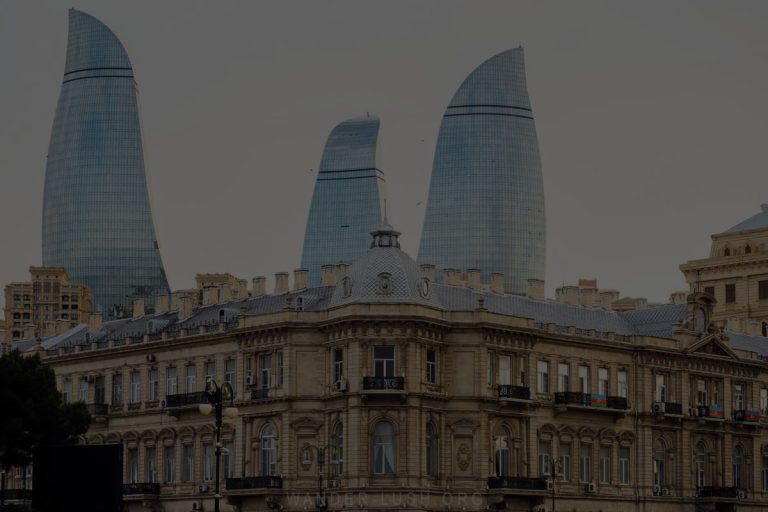
On April 17, 2026, Parviz Shahbazov, the Minister of Energy of Azerbaijan, mentioned at the Antalya Diplomacy Forum the intention to include nuclear energy in the national energy balance. Nuclear power is viewed as one of the key elements of the country’s future energy mix, alongside renewable energy sources, to ensure energy security, the minister stated.
But is Azerbaijan ready for the massive costs and institutional responsibility required for a transition to nuclear energy, while basic economic problems remain unresolved?
II. Economic Paradox: Growth on Paper vs. Reality
Despite statements from official government sources in Azerbaijan claiming that the share of the non-oil sector is growing every year, in reality, it appears to be only on paper, as the population is not provided with sufficient jobs. And this is just one of the country’s main problems. So, can Azerbaijan afford a nuclear transition?
The cost of an NPP (Nuclear Power Plant) ranges from $10 billion and upwards. Where will this money come from under conditions of energy resource price volatility and the need to maintain social stability? This could increase the already large hole in the country’s budget. Since the economy is primarily supported by petrodollars and funds received from gas sales, depending on the situation, taxes and utility rates will have to be raised, and naturally, prices will rise following them. Is it worth taking such a massive risk for this? There is also a risk that the NPP will become a “monument project” that sucks the budget dry instead of developing small and medium-sized businesses that provide real employment.
III. Institutional Deficit: Responsibility and Personnel
Ensuring that nuclear reactors operate safely is no simple task. For this, the country needs qualified personnel, high salaries, modern technologies, and infrastructure. Today’s education system cannot provide this sector with local professional staff. A strong anti-corruption institution must be created to prevent local officials from embezzling funds for the NPP construction. If this project is started without taking these measures, it could lead to grave consequences. Since Azerbaijan lacks experience and technology, external players will have to be involved. Key players could include France, Russia, and China. But will they take the risk of investing and helping Azerbaijan if the problem of local-level corruption is not resolved?
IV. Social Contract and Alternatives
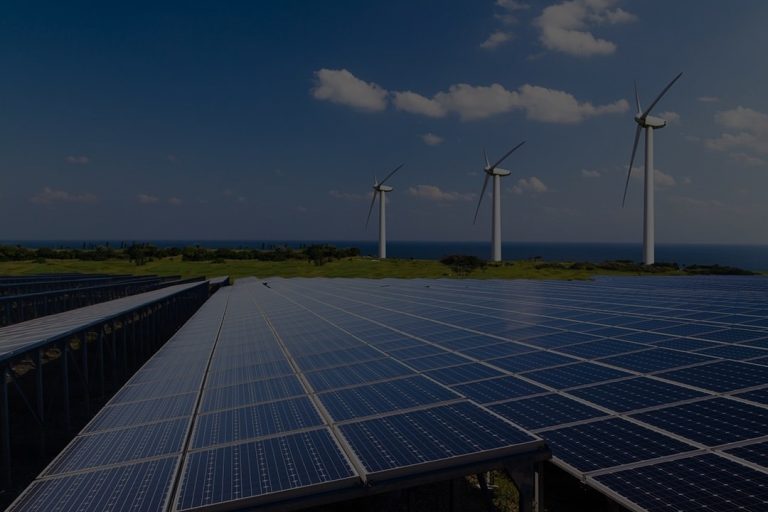
The current situation requires the state to focus not on large-scale projects, but on small and medium-sized “green” power plants. Azerbaijan’s territory allows for the construction of solar panels and wind farms in specific regions. This would create jobs here and now, and later create an incentive for large projects like building an NPP. Also, is society ready to live with a nuclear facility that, if improperly managed, could destroy millions of lives?
V. Conclusion: A Time for Pragmatism
Azerbaijan needs to diversify its economy through other methods before thinking about a transition to nuclear energy. As noted above, this will require significant effort and resources. There is a need to create jobs, a functioning economy, and to revive other important sectors that can actively develop in Azerbaijan thanks to the country’s enormous potential. Only then can Azerbaijan switch to nuclear energy, since this energy of the future is the EU’s long-term strategy.
This is not a rejection of nuclear energy, but a call for sequencing reforms before its adoption.